Calving
- Calf rearing: morning pickups, morning and afternoon feeds, teaching new calves to drink.
- Pen hygiene: fresh bedding, clean and dry pens, sanitised feeding gear.
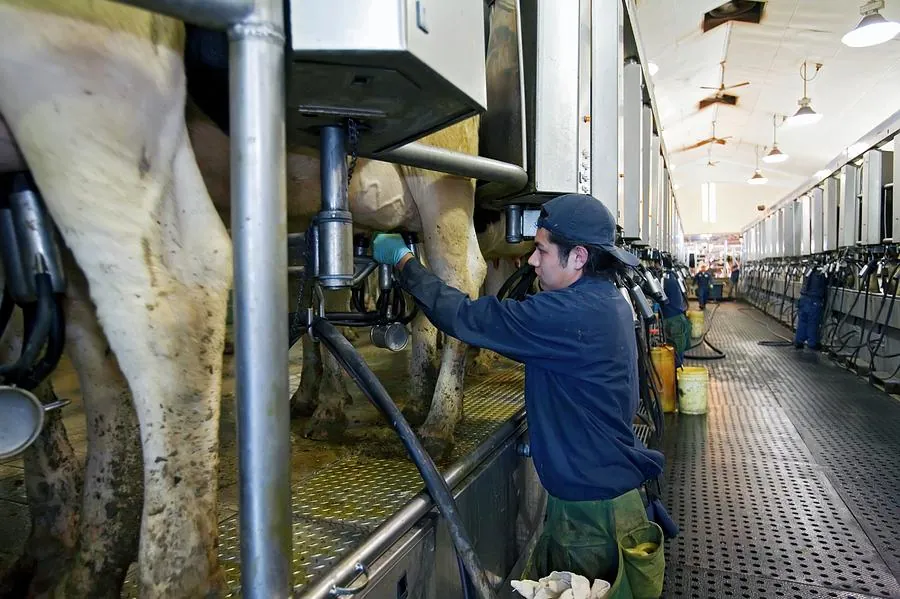
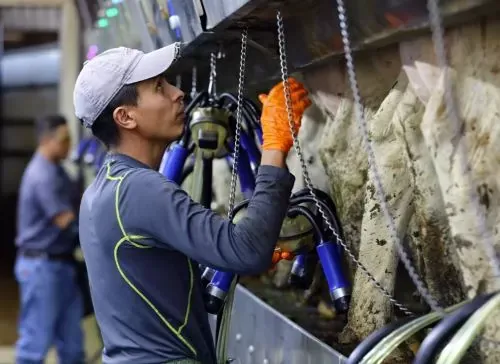
- Milking: cupping 15 to 20 cups on your side, row changes, teat spray, washdown.
Dairy Farm Assistant · South of Rotorua
Thanks for applying. This page shows you what the job really looks like, from the 4:30 am start to the last yard washdown. Ask Leslie, our assistant, anything, then fill in the short questionnaire at the bottom.
Translated by AI. The English version is the official one.
The farm
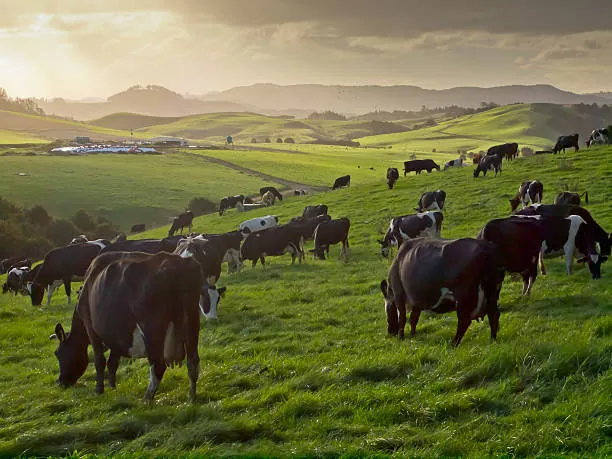
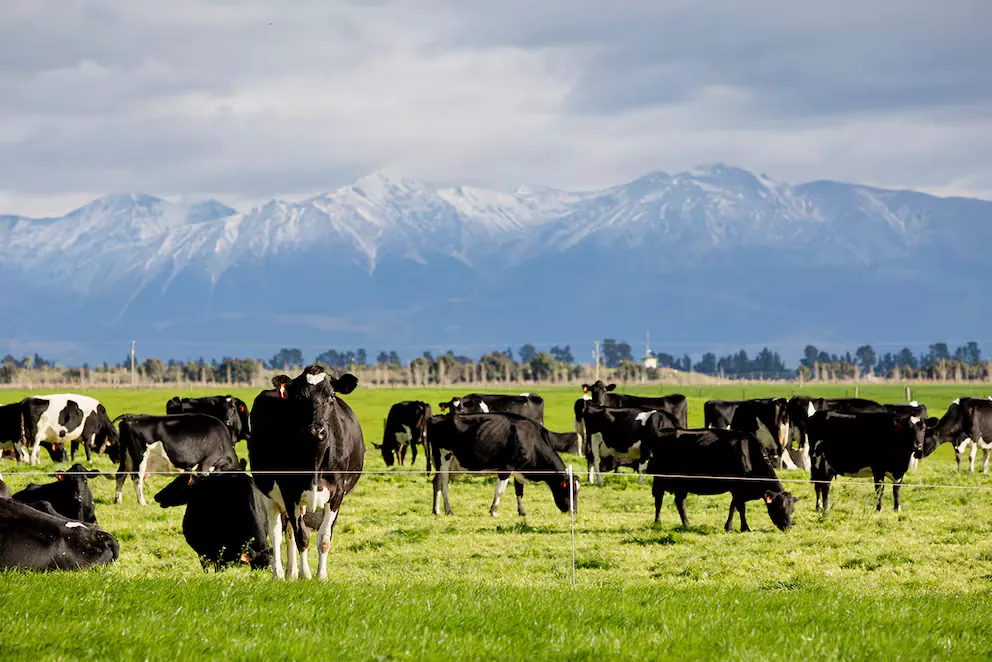
We're a small, family-owned dairy farm milking 300 cows, 30 minutes south of Rotorua, in a strong and supportive dairy community.
We milk through a 40-a-side herringbone with automatic cup removers, and we take pride in a tidy shed, a well-run routine and well-cared-for stock. This role covers our busiest stretch of the year: calving from July to September, then AI and mating in October.
Who we're looking for
You don't need dairy experience. If you're new to the industry, enjoy a laugh, and appreciate rural New Zealand, we'll teach you the rest.
Where we are
We're on Mangatete South Road in Ngakuru, a farming district about 30 minutes' drive south of Rotorua. Town is close enough for shopping, and the country is right on your doorstep.
Mangatete South Road, Ngakuru, Rotorua
On your day off
Ngakuru sits in the middle of New Zealand's geothermal heartland.
Natural hot pools fed by Te Manaroa, the largest single source of boiling water in New Zealand. Perfect after a cold milking.
Steaming, colourful ridges, two crater lakes, and some of the best views in the region.
A short boardwalk off Te Kopia Road to a viewing platform over boiling mud pools, close to the farm.
A short boat ride across Lake Ohakuri to a hidden geothermal valley and cave.
Towering redwood trees with walking and biking trails for every level. Absolutely beautiful.
A beautiful Māori cultural experience, with geysers, mud pools, and carvers and weavers at work.
Rotorua's grand lakeside gardens and the historic Bath House. Free to wander.
Zipline high through the treetops of ancient native forest.
Off-road buggies, horse treks and claybird shooting on the slopes of Mt Ngongotaha.
About 40 minutes away. New Zealand's biggest lake, with swimming, cafés and Huka Falls nearby.
Must-do walks
Start at the crater lakes, then climb for 360° views. On a clear day you can see Lake Taupō and the Tongariro peaks. Free, toilets at the car park, no dogs.
The first part of the summit track. A quick, easy look at two crater lakes when you're short on time.
A short boardwalk to a boiling mud pool and a platform over the geothermal field. Look out for rare prostrate kānuka.
Pick a trail at the visitor centre. Short loops through the giant trees, or longer tracks for a big day out.
A self-guided walk after the boat ride. Boats run from 9 am and the last one to the valley leaves at 3 pm, so go early.
Geothermal ground can be dangerous. Always stay on marked tracks and behind barriers.
A calving-season day
This is how a typical day runs from July to September.
Milking is the heart of the job: cupping cows on your side of the shed, twice a day.
Help back and stack the cows into position for milking.
Run 15 to 20 cups on your side of the herringbone. The automatic cup removers take them off, then you change rows, teat-spray, release the milked row and load the next one.
Collect newborn calves from the paddock, feed them, and patiently teach new arrivals to drink.
Change bedding, keep pens clean, dry and tidy, and sanitise all the feeding gear after use.
Same routine as the morning, plus the afternoon calf feed.
Clean every set of cups, hose the pit, wash down the whole yard, then wash and hang up your gear.
The season
Before you start
Show up to work each day with a good attitude, ready to follow instructions and pitch in.
Early mornings, lifting calves and weed control between milkings. A good level of physical fitness is essential.
We supply gumboots, wet weather gear and milking PPE. Wash, clean and hang it all up straight after every milking.
Never park your own vehicle anywhere that blocks the main milk tanker track. The tanker needs access at all times.
Useful reading
DairyNZ's guides for people starting out, covering milking, calf rearing and animal care.
DairyNZ →WorkSafe's farming guidance on vehicles, quad bikes and working around stock.
WorkSafe NZ →Pay, leave, breaks and employment agreements, explained by the government.
Employment NZ →What happens next
Use the chat. Nothing's a silly question.
Confirm you've read everything and answer a few quick questions.
Book a 15-minute phone call with Nathan, between milkings or in the evening.
Questionnaire
This goes straight to Nathan. It takes about three minutes.
Next step: book a quick call at a time that suits you.
Demo: nothing was sent. On the live site these answers are emailed to Nathan.
Leslie is an AI. Nathan reads chats to follow up on your questions.